
A chemical peel is a controlled exfoliation treatment that removes damaged surface skin cells to reveal smoother, clearer skin — treating acne, fine lines, hyperpigmentation, and sun damage in a single 30–45 minute session. Most patients benefit from a series of 3–6 treatments, and light peels require no downtime.
Here’s what to know before your first treatment.
What Is a Chemical Peel?
A chemical peel is a controlled exfoliation treatment. A solution is applied to your skin that removes the outermost layers of dead and damaged skin cells, revealing the fresher, healthier skin underneath. As your skin heals, it produces new collagen and regenerates — resulting in smoother, clearer, more even-toned skin.
What Can Chemical Peels Treat?
Peels are remarkably versatile. Depending on the type and strength, they can address:
- Acne and acne scars — peels unclog pores, reduce bacteria, and improve the appearance of post-acne marks
- Fine lines and wrinkles — by stimulating collagen production and removing damaged surface layers
- Hyperpigmentation — dark spots from sun damage, melasma, or post-inflammatory discoloration
- Uneven skin texture — rough patches, enlarged pores, and dullness
- Sun damage — reversing the visible effects of UV exposure over time
Types of Chemical Peels
Not all peels are the same. They range from light to deep, and the right one for you depends on your skin concerns and sensitivity.
Light (Superficial) Peels
These use mild acids like glycolic or lactic acid to exfoliate the outermost layer of skin. They’re gentle, require no downtime, and are great for:
- General skin brightening
- Mild acne
- A “glow” before a special event
You might experience slight redness for a few hours, similar to a mild sunburn.
Medium Peels
Medium-depth peels penetrate deeper using acids like trichloroacetic acid (TCA). They’re more effective for:
- Moderate wrinkles and fine lines
- Stubborn dark spots
- Acne scarring
Expect a few days of peeling and flaking as the old skin sheds. Most patients can return to work the next day.
Deep Peels
Deep peels provide the most dramatic results but require more downtime. At our practice, we focus on light and medium peels that deliver consistent results with minimal recovery — the sweet spot for most patients.
What to Expect During Treatment
A chemical peel appointment typically takes 30–45 minutes:
- Your skin is thoroughly cleansed
- The peel solution is applied — you may feel a tingling or mild stinging sensation
- The solution is neutralized and removed after the appropriate time
- A soothing moisturizer and sunscreen are applied
That’s it. Most patients describe the sensation as a warm tingle — uncomfortable for a moment, but very manageable.
Aftercare: The Key to Great Results
What you do after your peel matters as much as the peel itself:
- Avoid sun exposure — your new skin is more sensitive to UV damage. Wear SPF 30+ daily.
- Don’t pick or peel — let the flaking happen naturally. Picking can cause scarring or discoloration.
- Keep skin moisturized — a gentle, fragrance-free moisturizer helps your skin heal smoothly.
- Skip active ingredients — avoid retinol, vitamin C serums, and exfoliating products for 5–7 days after treatment.
How Many Treatments Do You Need?
For most patients, a series of 3–6 peels spaced 3–4 weeks apart delivers the best results. After your initial series, maintenance peels every 4–8 weeks can help sustain your results.
Some patients see visible improvement after a single treatment. For deeper concerns like scarring or melasma, patience and consistency pay off.
Chemical Peels + Aerolase
For patients looking for comprehensive skin rejuvenation, we often recommend combining chemical peels with Aerolase laser treatments. Learn more about what Aerolase treats. Peels address surface-level concerns (texture, pores, dullness) while the laser works on deeper issues (redness, vessels, collagen stimulation). Together, they deliver results that neither treatment achieves alone.
Is a Chemical Peel Right for You?
Chemical peels are suitable for most skin types and a wide range of ages. They’re a particularly good choice if you:
- Want to improve your skin without invasive procedures
- Are looking for an affordable treatment with visible results
- Have acne, dark spots, or uneven texture that hasn’t improved with products alone
- Want to maintain healthy, youthful-looking skin over time
Ready to try a chemical peel? Request an appointment or call 678-587-5993. Learn more about chemical peels at our practice or explore all of our wellness services.
About the Author
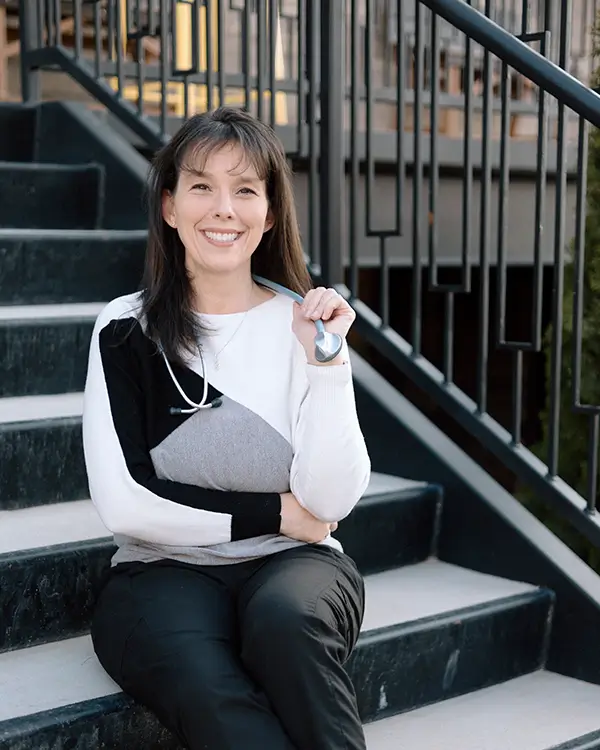
Tiaya Welsh is a board-certified Family Nurse Practitioner with over 23 years of community healthcare experience, including 8 years in orthopedics and 7 years as an ER nurse. She earned her BSN from Brenau University and her MSN from Kennesaw State University. She specializes in pain management and wellness at Southern Comfort Pain & Wellness.